
Working in the Somali Region again...
In June, we spent time working at Jijiga University Comprehensive Specialised Hospital, in the Somali Region of Ethiopia, treating babies, children, and young people with cleft conditions. For the first time in 7 years, we worked in the Somali Region, reaching children from remote, rural communities in the region, and providing them access to surgery.
About the Somali Region:
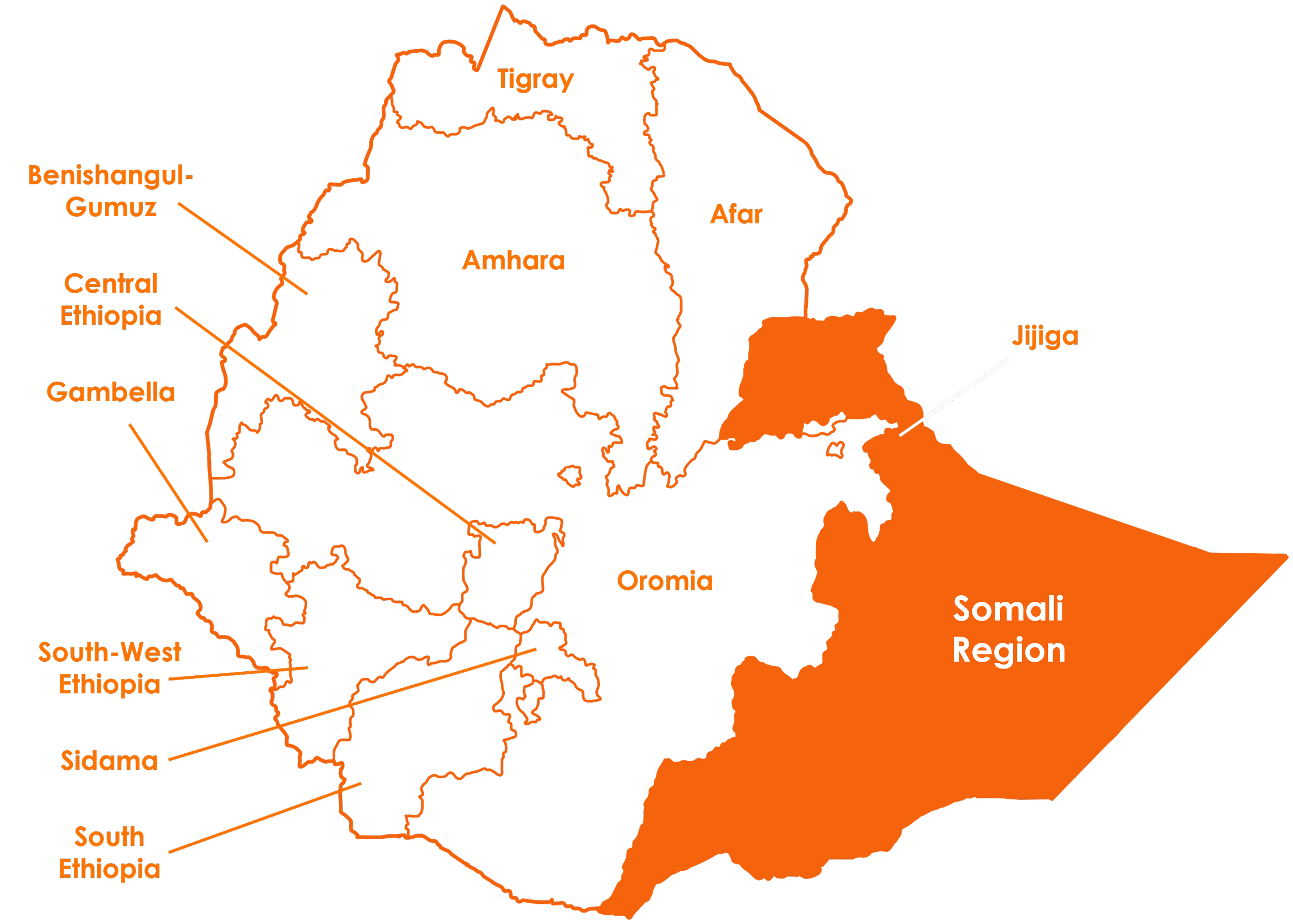
The Somali Region is the eastern-most region of Ethiopia. It is the second largest, spanning over 350,000 square kilometres and it is made up of semi-arid plains, low-lying plateaus, and river valleys. The region’s capital is Jijiga, in the North, home to to Jijiga University Comprehensive Specialised Hospital.
The region is home to between 6 and 10 million people, a predominantly pastoralist population, most of which are Muslim rather than Ethiopian Orthodox, the majority religion across the rest of Ethiopia. Somali Region’s vast geography, dispersed settlements, and limited specialist health services, create significant barriers to accessing cleft care, highlighting the need for expansion of Project Harar’s work in the region.
Why was this programme so important?
This programme was the first time in 7 years that Project Harar has had access to the Somali Region. In May 2026, we signed an MOU with Jijiga University Comprehensive Specialised Hospital, strengthening early case identification, referral pathways, community awareness, and long-term access to comprehensive cleft care across the region. This new agreement will provide a centre point for Project Harar’s expansion into the region so we can continue reaching children from the most underserved communities in Ethiopia, expanding our reach and our impact.
Previously, children and their families may have had to travel up to 1000km from their home to Yooyya Hospital, into the Oromia Region. However, with Project Harar’s recent expansion, this distance decreases by 40% to 600km, reducing time spent travelling, and increasing the mobility of the children who need us most.
Who arrived for treatment?
During the programme, 21 patients arrived for treatment, and 19 of them were able to undergo surgery. More than 75% of people arriving at this programme were over the age of 5, indicating a significant backlog of untreated cleft cases. At our other programmes, the average age of children in need of surgery is decreasing. The programme this June, has reiterated the need to increase our reach across the Somali Region, so children like Dawud can spend less time burdened by the stigma of cleft.
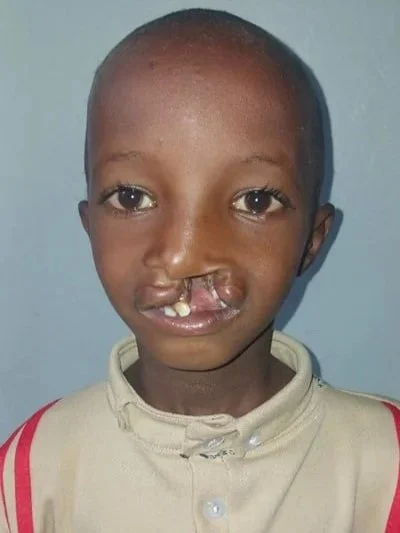
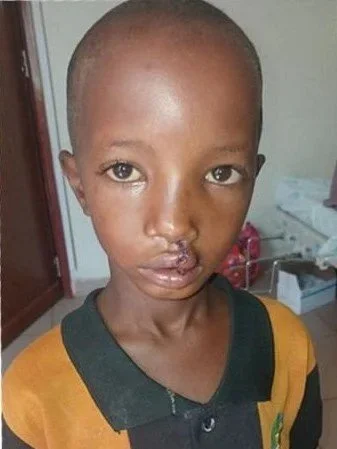
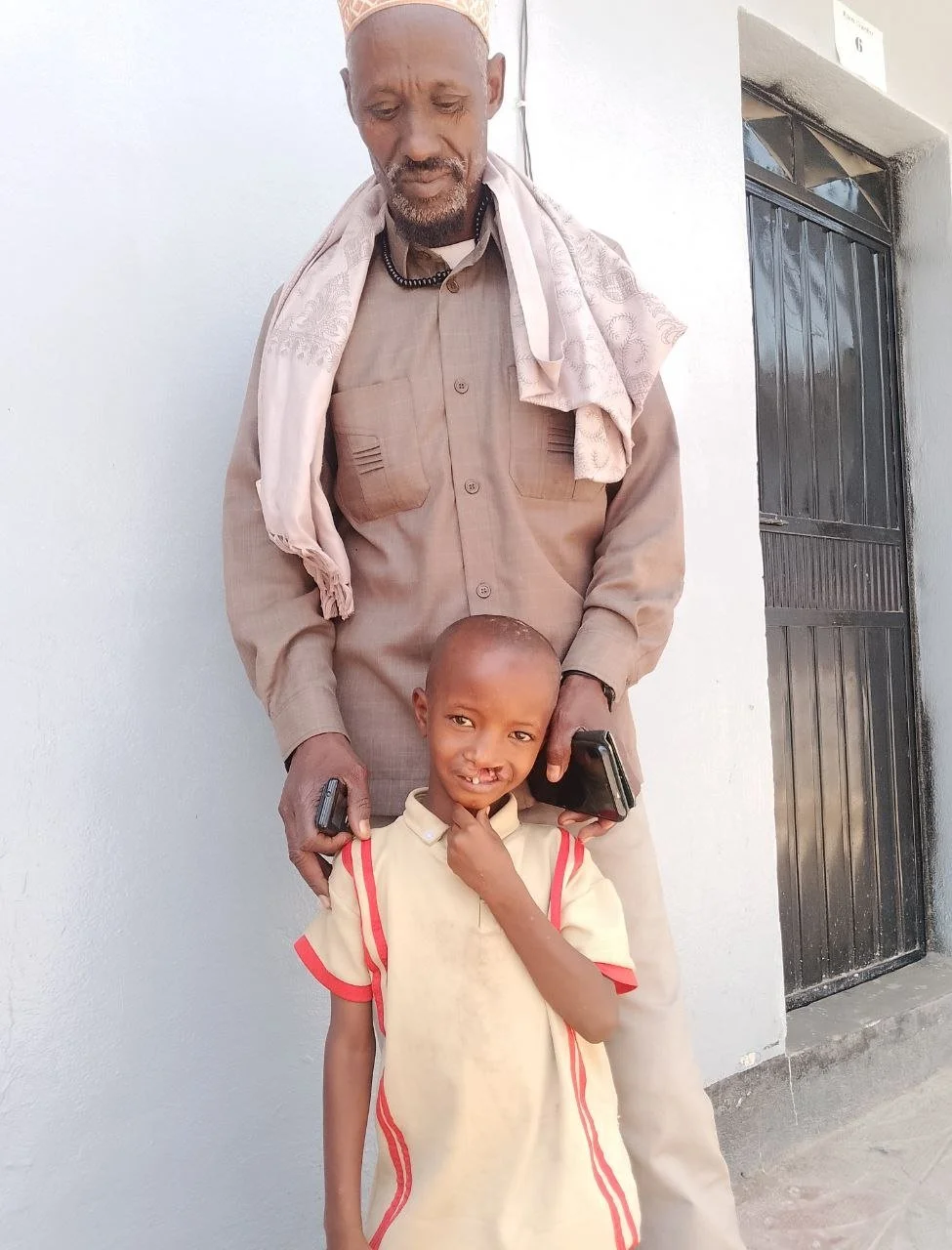
Dawud is one of the children who arrived at our Jijiga programme for treatment for his cleft conditions. He was bullied at school and his parents could not afford treatment. So, when they found out about Project Harar, Dawud and his father made the 200km journey to Jijiga Hospital, where Dawud received free surgery for his cleft lip and will return later, for treatment for his cleft palate.
Signing an MOU with Jijiga University Comprehensive Specialised Hospital is very exciting for us at Project Harar. Our work can continue to expand, reaching more children then we have before, and dispersing stigma in the region. Children will have access to early treatment and, in turn, a future free from stigma.