
Project Harar’s First Ever Programme in Ethiopia was in 2004. 17 children travelled to Addis Ababa from Harar for surgery
In 2004, Project Harar, held its first ever cleft programme. The charity first started by providing access to facial reconstructive surgery for Jemal and Fhami, suffering with Noma and a severe hyena bite, respectively. The need for easier access to surgery became clear to our founder and in September 2004, the charity held its first large-scale programme to provide surgery to children with cleft conditions.
Jonathan Crown, our late founder, wrote the story of this first programme in an early issue of his Project Harar Magazine ‘The Face’ The rest of this newsletter is taken from this article and is in Jonathan’s original words.
The First of Many Great Odysseys
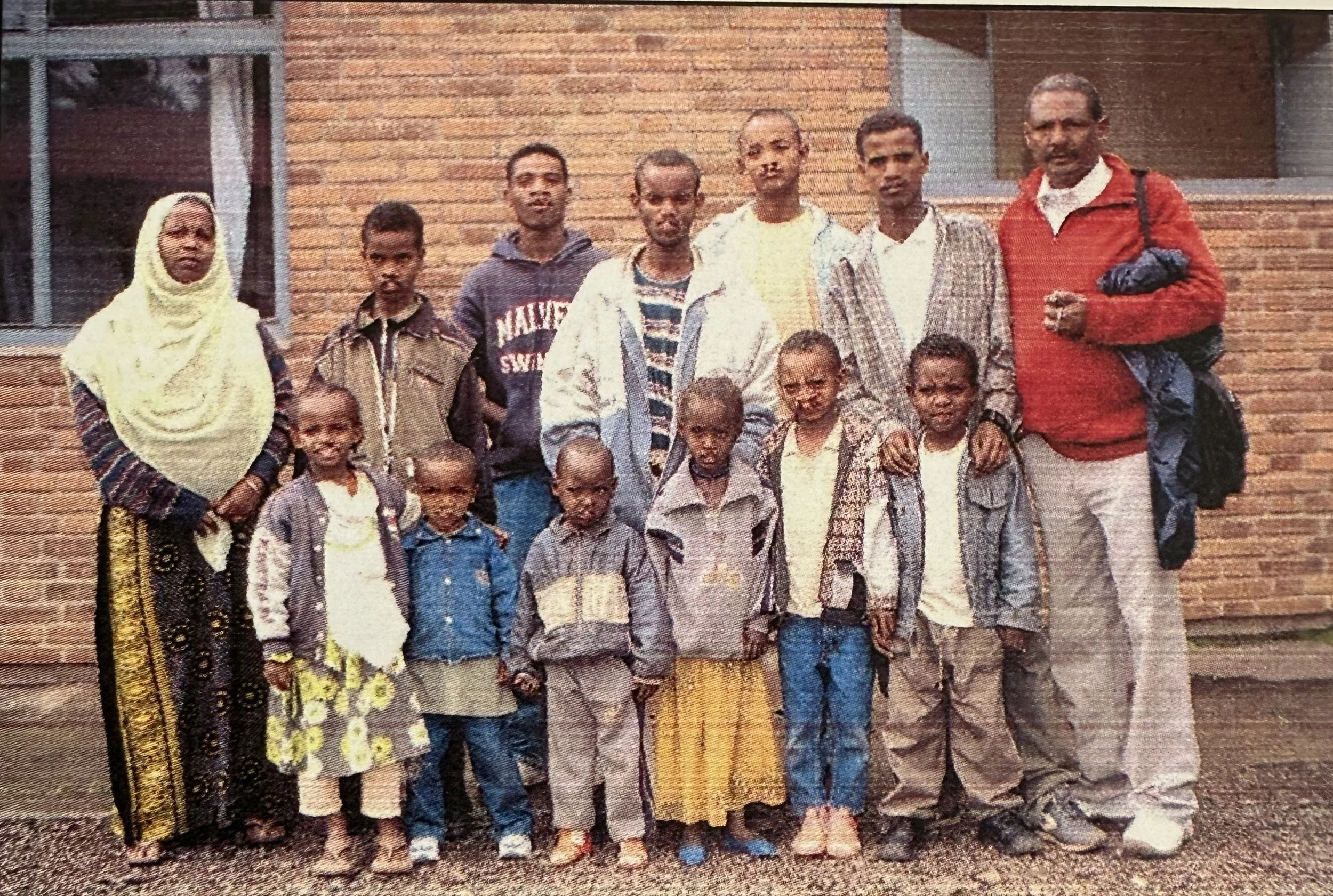
As the fully loaded bus drew out of the dusty bus station in Harar in early September 2004, there was a real sense of excitement and anticipation on board.
Seventeen young patients, most of them with a close family friend for support, together with Sebesebe Ayele, our director, began the arduous twelve-hour trip to Addis Ababa where they were to be operated on.
For them, it was just the start of an amazing odyssey which would last three weeks and have them returning to their homes with new faces. However, for Sebesebe himself, this was just the successful completion of the first stage of the project to find suitable candidates that had begun many months earlier. He had spent days driving to far flung villages searching out youngsters who could benefit from Project Harar’s help.
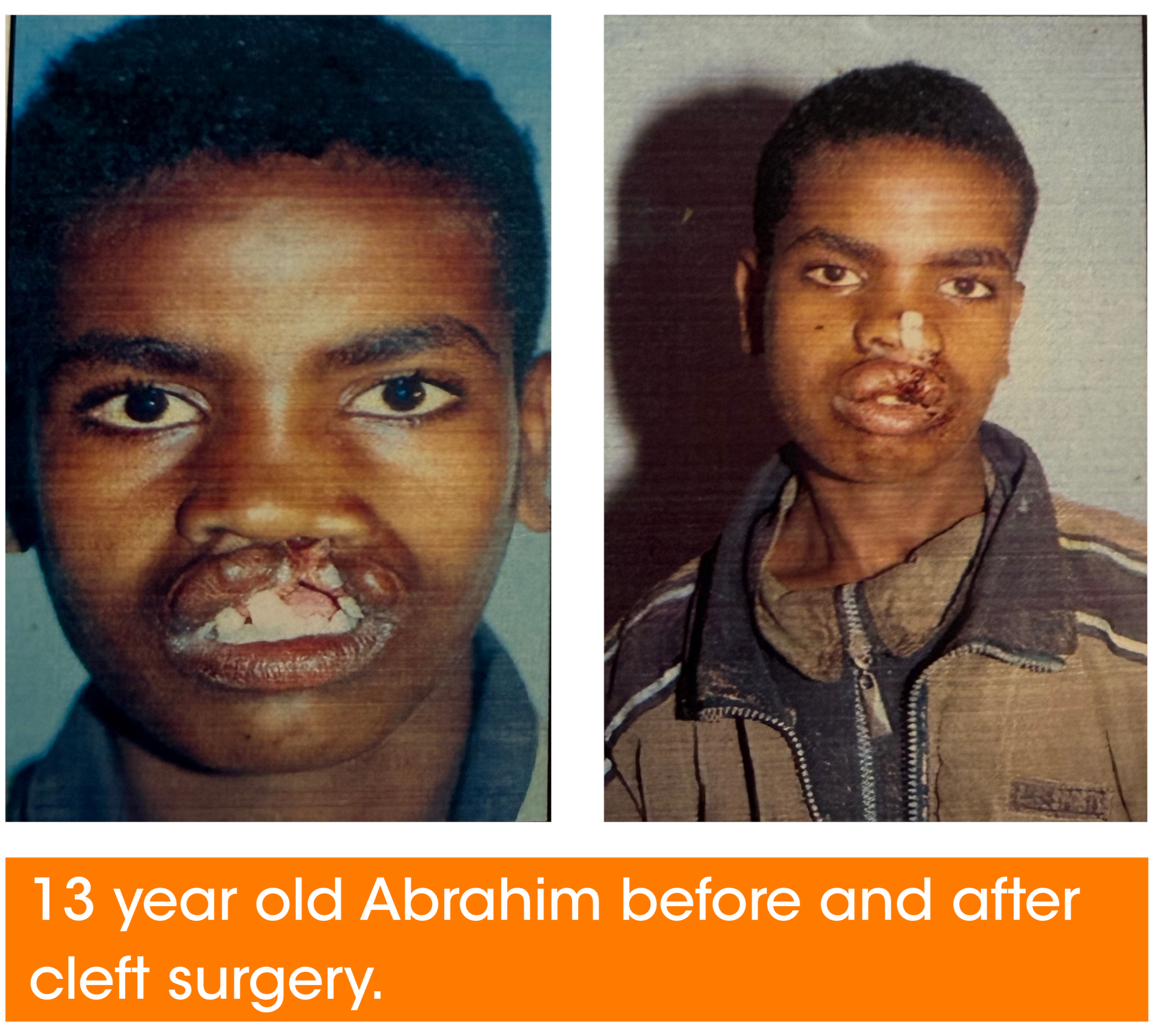
Once unearthed, he then had to make numerous return visits to gently persuade tribal elders and local government officials to allow them permission to travel and also to convince the children’s often sceptical families of the great benefits of surgery. As an aid to his work he showed them the before and after photographs of some of our previous patients.
Arriving in Addis in the early hours of 8th September, the intrepid group took up their simple board and lodgings and after a simple meal they rested. Project Harar paid for all these extra incidental expenses.
For most of the party, this was the first time that they had travelled outside their rural surroundings and the sights and sounds of the huge, modern and vibrant Ethiopian Capital city were that much more extraordinary, and initially quite bewildering.
T
wo days later, the group travelled in five taxis to their first consultation with Dr Thom Topstad and Dr Baraki at the ALERT hospital on the outskirts of the capital.
Twelve children had cleft lip and palates, two had had surgery before and were returning for further procedures and three were identified as suffering from Noma, the flesh-eating disease. These last three were checked out and will be operated on in November when another group of specialist surgeons from Europe will be in Addis.
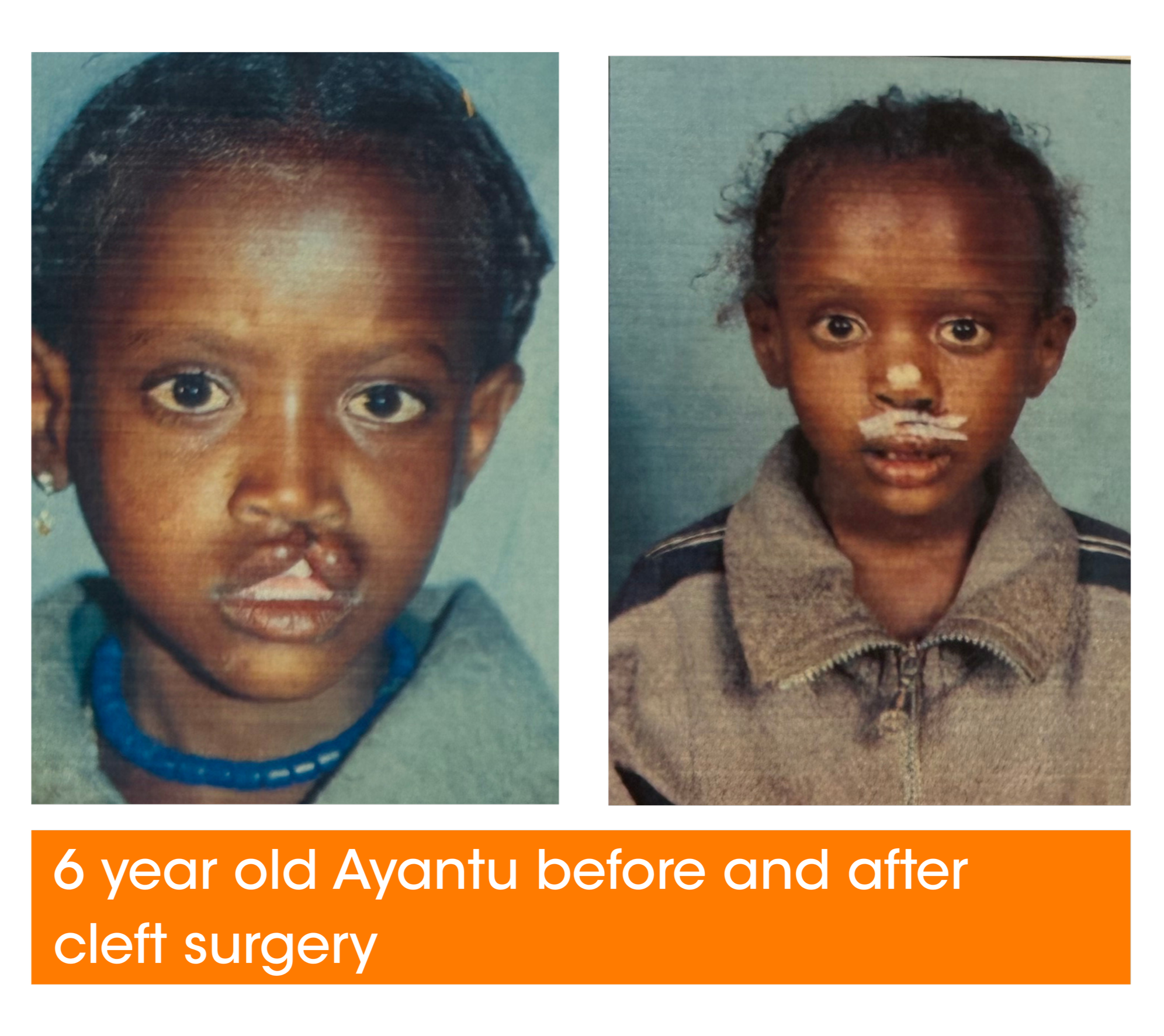
In the following days, all fourteen cleft lip and palate patients were successfully operated on. Many of the procedures were quite straightforward, others were rather more complicated and took longer.
It is amazing that the final ‘new looks’ are instantaneous after such surgery.
Despite a little pain, every result was enthusiastically approved of with huge smiles and laughter of total satisfaction, both by patient and their families.
Due to a shortage of space and facilities at the hospital, most of the youngsters recuperated for a few days at their hostel.
Throughout this time, Sebesebe was on permanent call looking after everybody’s needs. Organising the group’s travel and meal arrangements and dealing with the numerous day to day problems that arose. He was kept busy around the clock from start to finish.
Within the days the patients’ swelling had begun to settle down and they could see their long term faces. We reckon that these were all life changing improvements.
And so in late September the bus made its way back to Harar, and once there, everyone returned to their houses in the countryside.
Once home the unconfined joy of all the villagers was a marvel to witness. Eventually many of the children will make return visits to Addis for follow-up procedures.